
Gentle Note to Readers:
The following post talks about self-harm. Please prioritize your well-being and read only if you feel safe to do so. If this topic is difficult for you, it’s okay to pause or seek support.
Self-harm is often misunderstood. Many people assume it’s about seeking attention or wanting to die—but that couldn’t be further from the truth. For most people, self-harm is a coping mechanism rooted in emotional pain, not a desire to end life.
Understanding what self-harm is and why people engage in it is a critical step toward compassion, awareness, and healing.
What Is Self-Harm?
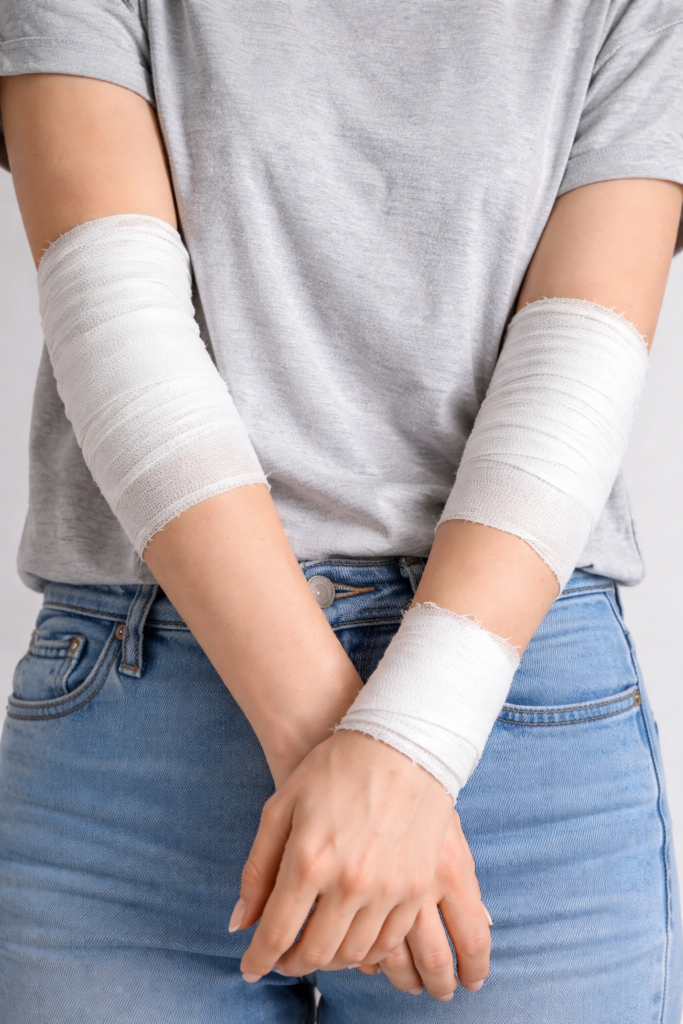
Self-harm (also called non-suicidal self-injury, or NSSI) refers to intentionally hurting one’s own body as a way to cope with overwhelming emotions. Importantly, self-harm is not the same as a suicide attempt, though the two can co-occur and both deserve serious attention.
Self-harm is most common among adolescents and young adults, but people of any age, gender, or background can struggle with it.
Why Do People Self-Harm?
The Psychology Behind It
Self-harm is rarely about the physical act itself—it’s about regulating emotional pain.
1. Emotional Regulation
For many, self-harm provides temporary relief from intense emotions such as:
- Anxiety
- Anger
- Shame
- Emptiness
- Emotional numbness
Physical pain can momentarily distract from emotional pain, making feelings feel more manageable—even if only briefly.
2. Feeling Something When Numb
Some people experience emotional numbness or dissociation, often linked to trauma or depression. Self-harm may be used as a way to:
- Feel real
- Regain a sense of control
- Break through emotional emptiness
3. Control in Chaos
When life feels unpredictable or overwhelming, self-harm can feel like something a person can control. This sense of control can be psychologically reinforcing, even though it ultimately deepens distress.
4. Self-Punishment
People who struggle with intense guilt, shame, or low self-worth may self-harm as a form of punishment. This is especially common among those who:
- Grew up with emotional invalidation
- Experienced abuse or neglect
- Internalized blame for things outside their control
5. Difficulty Expressing Pain
Not everyone has the language or support to express emotional suffering. Self-harm can become a nonverbal way of communicating distress, especially when someone feels unheard or dismissed.
Common Mental Health Conditions Linked to Self-Harm
Self-harm is not a diagnosis on its own, but it often co-occurs with conditions such as:
- Depression
- Anxiety disorders
- Post-traumatic stress disorder (PTSD)
- Eating disorders
- Borderline personality disorder (BPD)
That said, not everyone who self-harms has a diagnosed mental illness, and not everyone with these conditions self-harms.
Myths About Self-Harm
Myth: “People who self-harm are just seeking attention.”
Reality: Most people hide their behavior out of shame or fear.
Myth: “If they wanted help, they’d just ask.”
Reality: Asking for help can feel terrifying or impossible.
Myth: “Self-harm means someone is suicidal.”
Reality: While there can be overlap, many people self-harm specifically to cope—not to die.
Recovery Is Possible
Self-harm is a learned coping mechanism—which means it can be unlearned. With the right support, people can develop safer, healthier ways to manage emotions.
Effective support may include:
- Therapy (especially trauma-informed or DBT)
- Building emotional regulation skills
- Reducing shame through understanding and compassion
- Supportive relationships
Recovery isn’t linear. Relapse doesn’t mean failure—it means someone is still learning.
My Story With Self-Harm
I started self-harming when I was 12 years old. I was dealing with a lot of emotions, and I needed a way to express them. I ended up telling my best friend, who then told my mom, and that’s how I started getting help with my mental health issues. I still struggle with it to this day. When I’m really angry or upset, that’s when I feel most triggered. The best way I can describe it is an addiction. It’s a thought that’s always in the back of my head, and whenever I see something sharp, like a knife or a pair of scissors, that thought is brought forward. There’s always the temptation to do it. Once you start, it’s difficult to stop. But it’s possible. With support and willpower, you can overcome it. You can overcome anything. Like with any battle, there will be victories and losses. I recently went over a year without self-harming before the urge took over. But you have to look to the future and keep trying. Because you are beautiful inside and out and you are worth it. And there is something great out there waiting for you.
Alexis Bernard
If You or Someone You Know Is Struggling
You are not weak. You are not broken. And you are not alone.
If you’re in the U.S., you can contact the 988 Suicide & Crisis Lifeline by calling or texting 988—available 24/7, free, and confidential.
You can also explore resources from National Alliance on Mental Illness, which provides education, peer support, and guidance for individuals and families.
If you’re outside the U.S., local crisis services or emergency numbers can help connect you to support in your country.
Final Thought
Self-harm is not a cry for attention—it’s a sign that someone is hurting and doesn’t yet have the tools or support they need. Education, empathy, and open conversations save lives.
Resource
Here is a gentle coping list with skills you can use to deal with thoughts of self-harm in the moment. I hope it helps. Remember, you are beautiful inside and out!