If you’ve ever fit perfectly into one pair of jeans and then struggled to button another pair in the same size, you’re not imagining things. Women’s jean sizing is inconsistent, confusing, and—frankly—frustrating. What should be a simple wardrobe staple has turned into a fitting-room nightmare for millions.
Let’s break down why women’s jean sizing is such a mess, how it impacts confidence and shopping habits, and—most importantly—how to find jeans that actually fit your body.
Why Women’s Jean Sizing Is So Inconsistent
1. There Is No Universal Size Standard
Unlike men’s jeans (which typically use waist and inseam measurements), women’s jeans rely on arbitrary numbers like 0–18, 24–34, or XS–XL. Each brand creates its own size chart, meaning a size 28 at one store could equal a 30—or even a 26—somewhere else.
This lack of standardization is the root of the sizing crisis.
2. Vanity Sizing Makes Things Worse
Vanity sizing is when brands label larger garments with smaller numbers to appeal to shoppers emotionally. Over time, this has distorted sizing across the entire industry.
What used to be a size 8 years ago might now be labeled a size 4—while still measuring the same. The result? Shoppers blame their bodies instead of the tag.
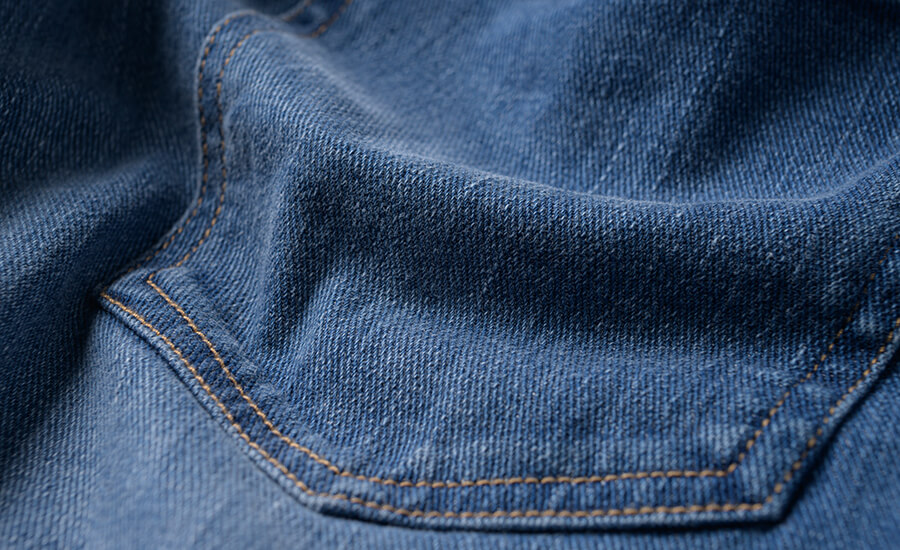
3. Denim Fabric Has Changed
Modern jeans often include stretch materials like elastane or spandex. While stretch can be comfortable, it also means:
- Jeans fit differently depending on fabric blend
- Sizes can feel tighter or looser after wear
- One “size” can mold differently on different body shapes
4. Women’s Bodies Are Not One Shape
Sizing systems assume a proportional body—but real bodies aren’t linear. Differences in:
- Hip-to-waist ratio
- Thigh size
- Rise length
- Height
…mean two people with the same waist measurement may need completely different jeans.
The Real Impact of the Jean Sizing Crisis
- Lower confidence from inconsistent sizing
- Higher return rates for online shopping
- Shopping fatigue and frustration
- Pressure to “size down” instead of dress comfortably
This isn’t a personal problem—it’s a systemic one.
How to Find Your Jean Size (The Practical Way)
Step 1: Measure Your Body (Not the Tag)
Ignore the number on your old jeans. Grab a soft measuring tape and measure:
- Waist: Narrowest part of your torso
- Hips: Widest part of your hips/glutes
- Inseam: From inner thigh to ankle
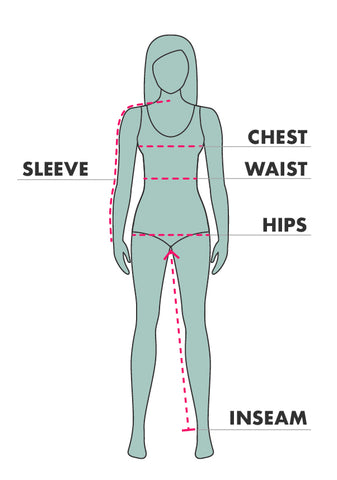

Write these numbers down—they matter more than any label.
Step 2: Always Check the Brand’s Size Chart
Before buying (especially online), compare your measurements to the brand’s chart. If you’re between sizes:
- Size up for rigid denim
- Size down for high-stretch jeans (if reviews confirm stretchiness)
Step 3: Pay Attention to Rise and Cut
Fit issues often come from rise and cut—not size.
- High-rise: More waist coverage, great for curves
- Mid-rise: Balanced, everyday option
- Low-rise: Less forgiving, very brand-dependent
Cuts matter too:
- Straight-leg ≠ skinny
- Mom jeans ≠ boyfriend jeans
Step 4: Read Reviews Strategically
Look for reviews that mention:
- Height and body type
- Stretch vs. rigidity
- Whether jeans loosen with wear
If multiple reviewers say “size up” or “runs small,” believe them.
Step 5: Accept That You May Have Multiple Sizes
This is the hardest—but healthiest—truth: having multiple jean sizes is normal.
Your size can change depending on:
- Brand
- Fabric
- Style
- Even color (yes, dye affects stretch!)
Your body isn’t inconsistent—the sizing is.
Reframing the Narrative Around Jean Sizes
The women’s jean sizing crisis isn’t about your weight, shape, or worth. It’s about an outdated system that hasn’t evolved with real bodies.
Instead of asking:
“Why don’t these jeans fit me?”
Try:
“What jeans fit my body best?”
That shift alone can make shopping feel less personal—and far less painful.
Takeaway
- Jean sizes are not standardized
- The number on the tag is meaningless without context
- Measuring your body is more reliable than trusting labels
- Owning multiple sizes is normal and practical
The problem was never your body—it’s the jeans.
If you’d like, I can also:
Absolutely—this is a crucial part of the conversation. Below is a seamless continuation you can add to your blog post, expanding on jean styles and which body types they tend to work best for, while still reinforcing that fit matters more than rules.
Jean Styles Explained (and Who They Tend to Fit Best)
Jean sizing may be chaotic, but understanding jean styles can dramatically improve how your jeans fit and feel. Different cuts distribute fabric differently across the hips, thighs, waist, and legs—making some styles more forgiving for certain body proportions than others.
That said: these are guidelines, not rules. Any body type can wear any style—the goal is comfort, confidence, and fit.
Skinny Jeans
Best for: Straight body types, petite frames, those who prefer a streamlined look
Skinny jeans are fitted through the hip, thigh, and leg. Because they hug the body closely, they tend to emphasize proportions.
Why they work well:
- Great for straight or athletic builds
- Easy to tuck into boots
- Stretch denim can accommodate curves
Common fit issues:
- Waist gap for curvier hips
- Tight thighs or calves in rigid denim
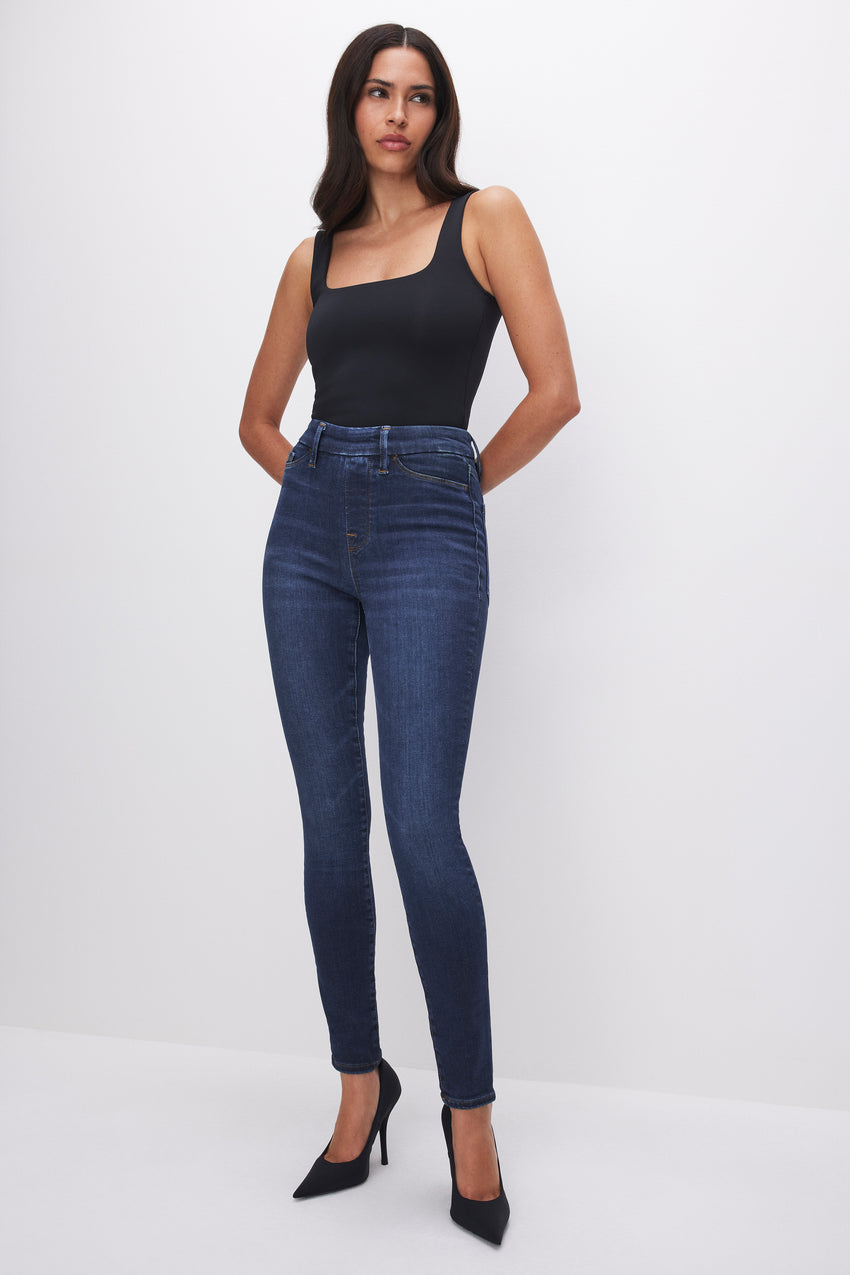
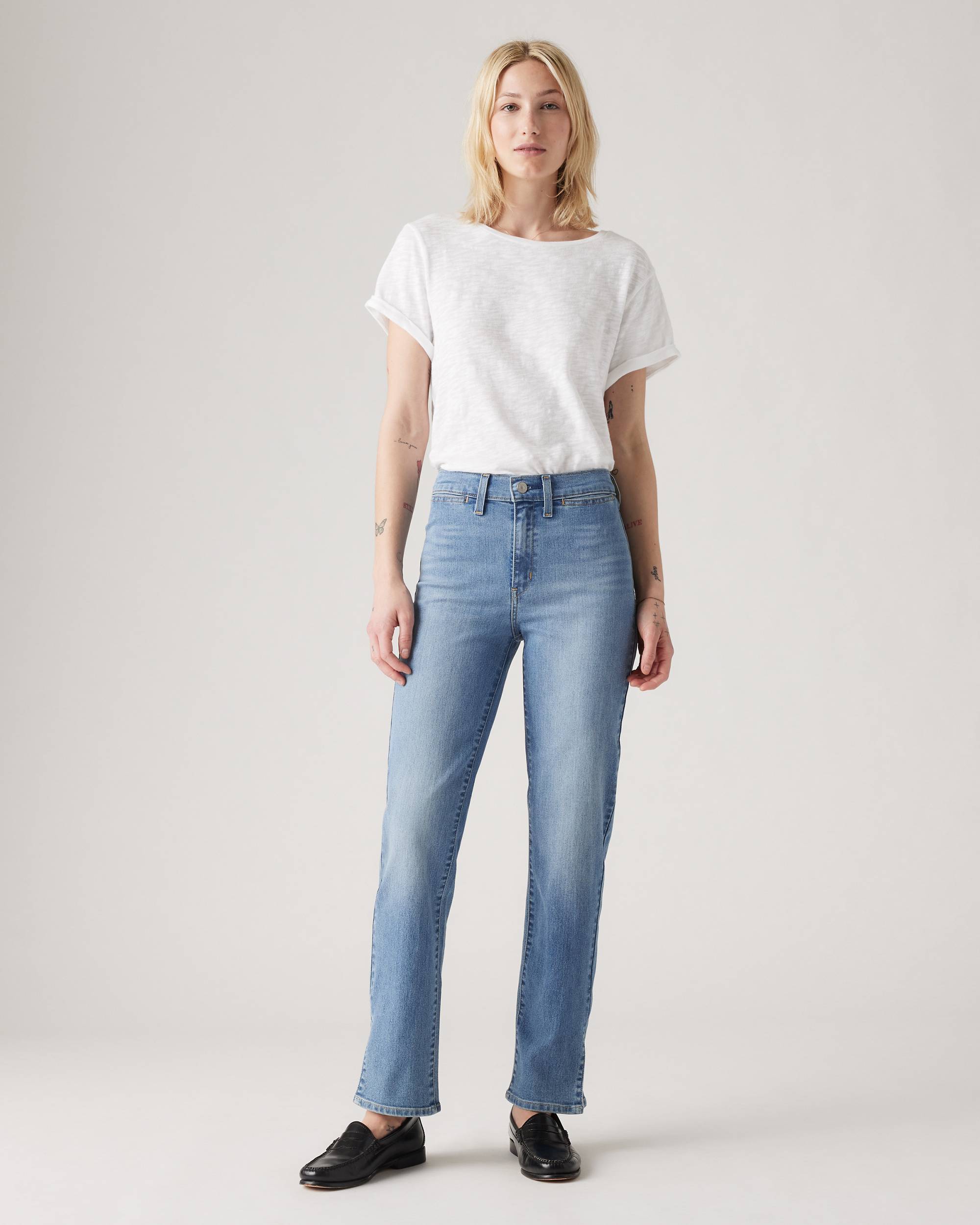
Straight-Leg Jeans
Best for: Hourglass, pear, rectangle, and curvy body types
Straight-leg jeans fall evenly from hip to hem, making them one of the most universally flattering and forgiving styles.
Why they work well:
- Balance hips and thighs
- Less clingy than skinny jeans
- Classic and timeless
Common fit issues:
- May feel stiff in rigid denim
- Length matters—hemming is often needed
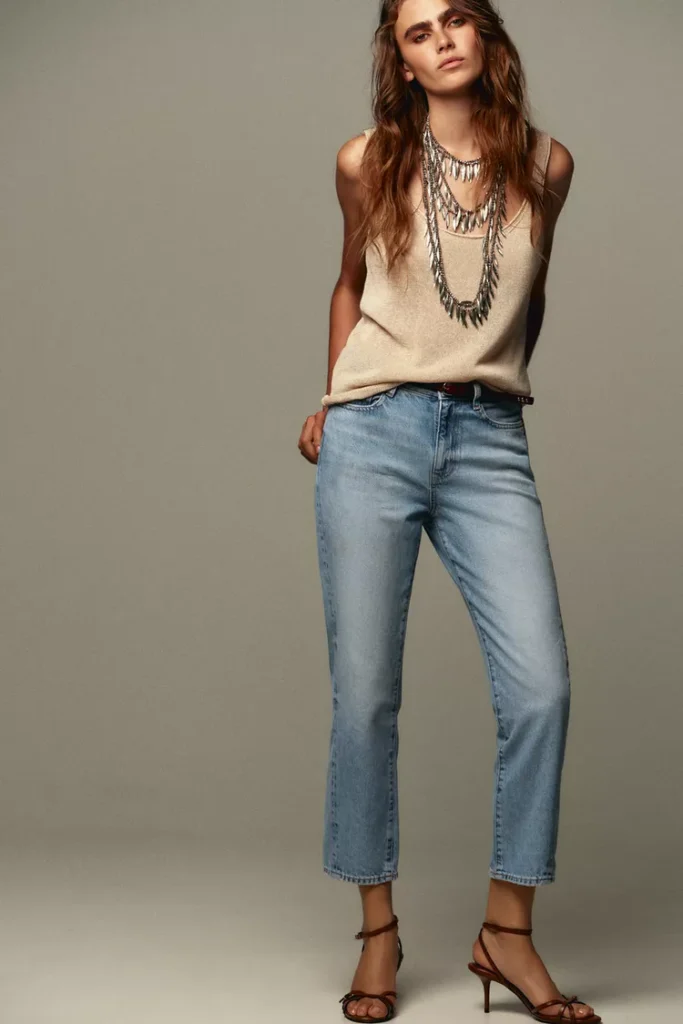
Mom Jeans
Best for: Pear-shaped, hourglass, and curvy bodies
Mom jeans are typically high-rise with a relaxed hip and tapered leg. They provide more room where many women need it most.
Why they work well:
- Accommodate hips and thighs
- Emphasize the waist
- Comfortable and trend-forward
Common fit issues:
- Too tight in non-stretch denim
- Can feel restrictive when sitting
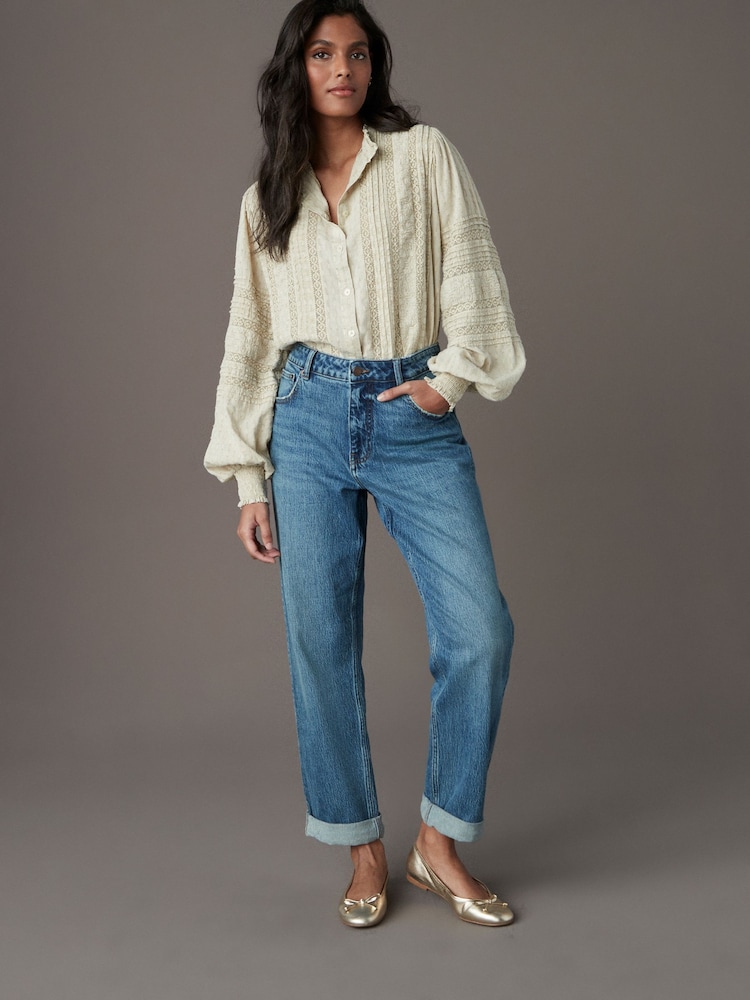
Boyfriend Jeans
Best for: Rectangle, athletic, and straight body types
Boyfriend jeans are intentionally relaxed and slouchy, offering a casual, laid-back fit.
Why they work well:
- Comfortable and forgiving
- Great for low-rise or mid-rise lovers
- Ideal for casual styling
Common fit issues:
- Can overwhelm petite frames
- Less waist definition
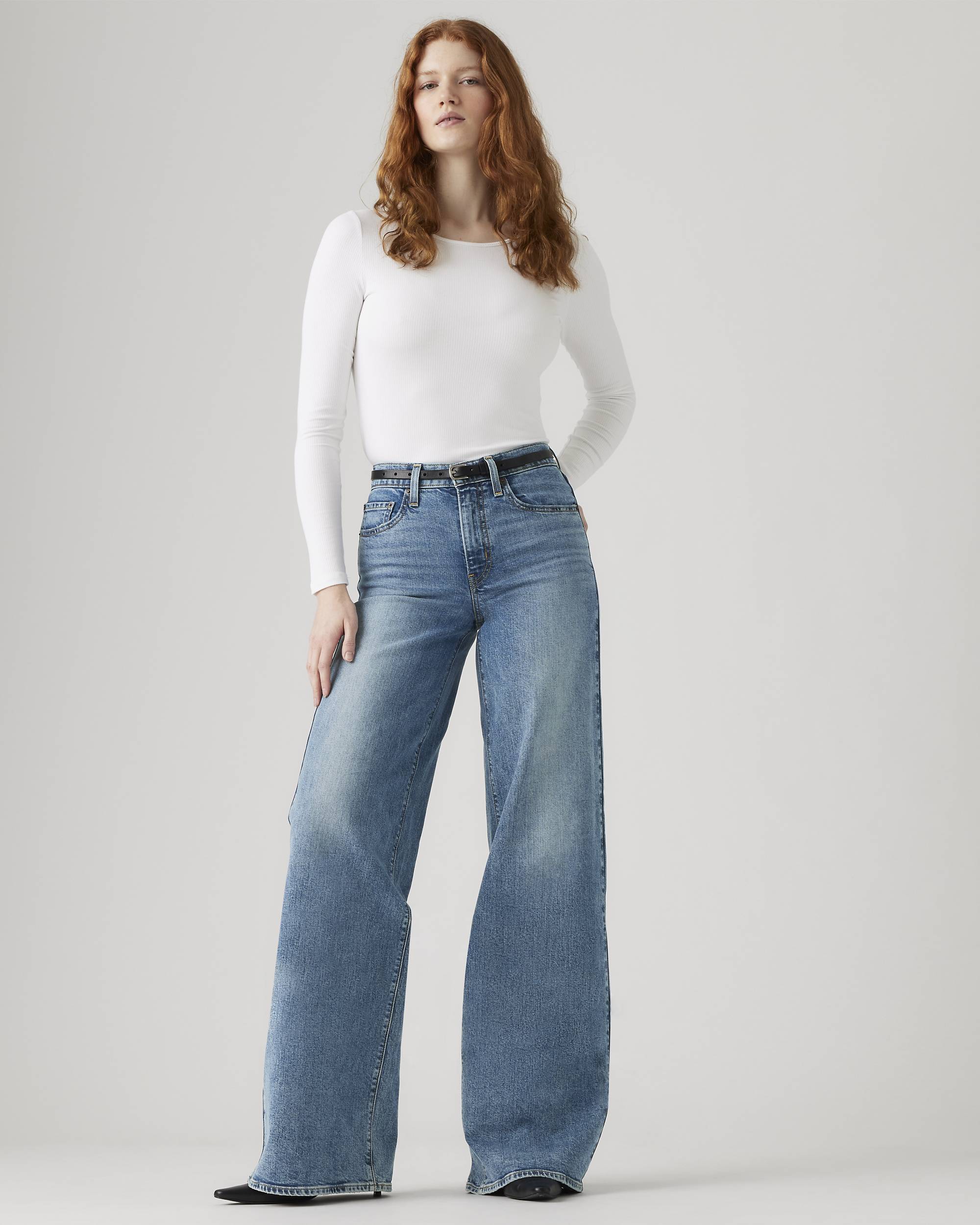
Wide-Leg Jeans
Best for: Hourglass, pear, tall frames, and curvy bodies
Wide-leg jeans balance proportions by adding volume below the hip, creating a lengthening effect.
Why they work well:
- Balance wider hips
- Extremely comfortable
- Fashion-forward and flattering
Common fit issues:
- Length is critical (hemming helps)
- Can feel bulky on petites without tailoring
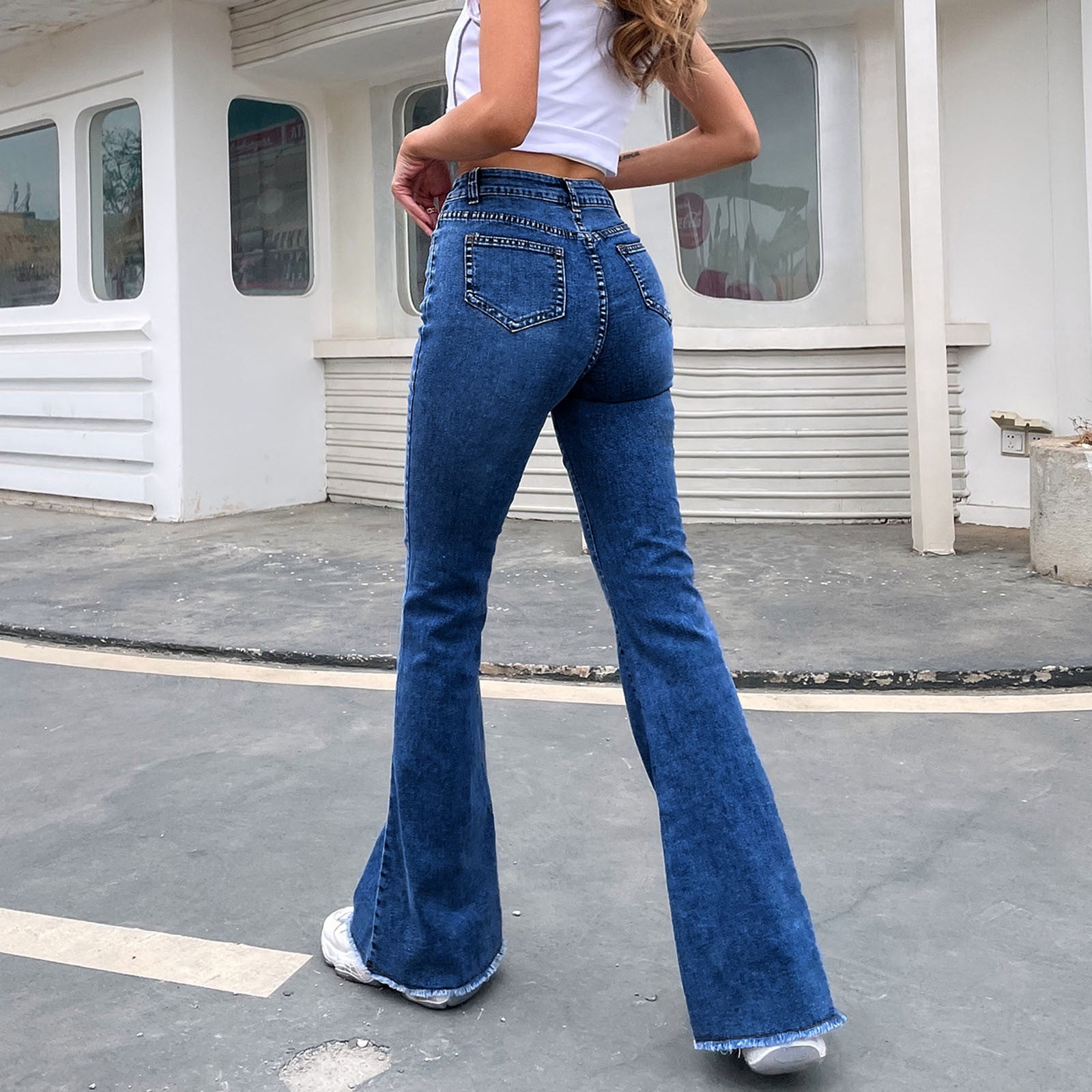
Flare & Bootcut Jeans
Best for: Hourglass and pear-shaped bodies
These styles widen below the knee, balancing hips and creating an elongated silhouette.
Why they work well:
- Accentuate curves
- Balance thighs and hips
- Great with heels or boots
Common fit issues:
- Tight thighs in non-stretch denim
- Inseam length is key
High-Rise vs. Mid-Rise vs. Low-Rise (Why Rise Matters)
Rise affects fit just as much as size.
- High-rise:
Best for curvy, hourglass, and pear shapes; provides waist definition and coverage - Mid-rise:
Universally wearable; good for everyday comfort - Low-rise:
Works best for straight or athletic builds; very brand-dependent
If jeans gap at the waist or slide down, the issue is often rise—not size.
The Most Important Rule: Fit Over Labels
You may be:
- A size 27 in straight-leg jeans
- A size 29 in skinny jeans
- A size 28 in mom jeans
That’s normal.
Different styles distribute fabric differently, and your body doesn’t need to change to fit the jeans—the jeans need to fit you.
Final Thoughts
Understanding jean styles helps cut through the sizing chaos—but the real solution is rejecting the idea that one size or cut should work everywhere.
- Your body type is not the problem
- Needing different styles and sizes is normal
- Comfort and confidence matter more than the tag
Remember, you are beautiful inside and out!