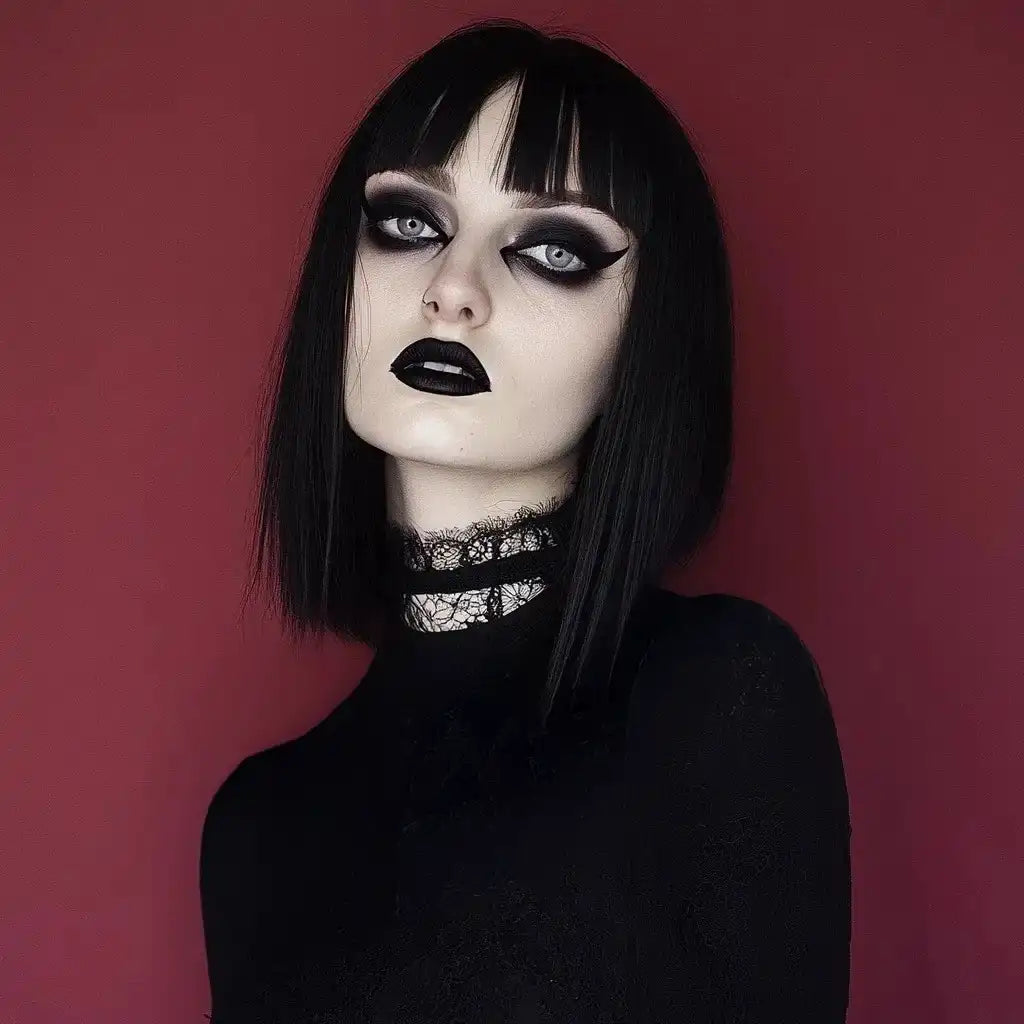

At first glance, emo, goth, punk, and scene can look similar — dark clothes, dramatic hair, bold makeup, and a strong sense of identity. But while they often overlap visually and culturally, each subculture has its own roots, values, and aesthetic.
Let’s break them down in a way that’s easy to understand — no stereotypes, no judgment.
🖤 Emo
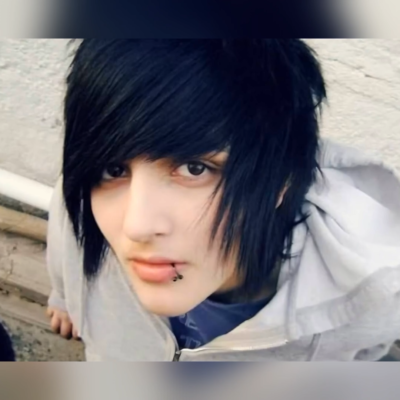
Emo is rooted in emotional expression. The name comes from emotional hardcore, a subgenre of punk music that focused on vulnerability, introspection, and raw feelings.
Core traits:
- Emphasis on feelings, sensitivity, and introspection
- Lyrics and art that explore heartbreak, anxiety, love, and identity
- Fashion often reflects inner emotion rather than rebellion
Common style elements:
- Skinny jeans (often black)
- Band tees or hoodies
- Side-swept bangs
- Converse or Vans
- Heavy eyeliner
Big misconception:
Emo is not synonymous with self-harm or wanting attention. It’s about emotional honesty, not danger.
🦇 Goth
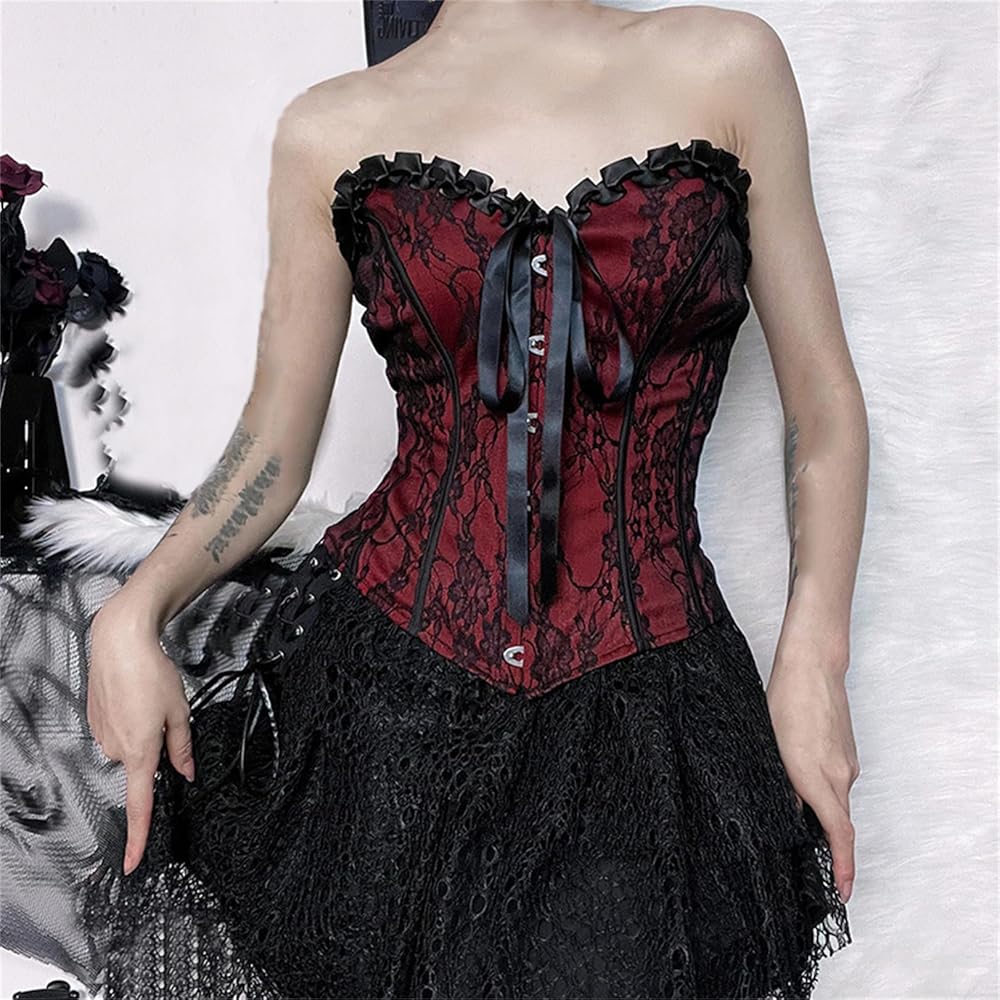
Goth is darker, more romantic, and deeply artistic. It draws inspiration from gothic literature, post-punk music, and themes like mortality, beauty, and the macabre.
Core traits:
- Fascination with darkness, history, and the poetic side of life
- Appreciation for art, architecture, and atmosphere
- Often more introspective than aggressive
Common style elements:
- Black (lots of it)
- Lace, velvet, corsets, leather
- Platform boots
- Pale makeup with dark lips or eyes
- Victorian, romantic, or occult influences
Key difference from emo:
Goth is about aesthetic and philosophy, while emo centers on emotional experience.
⚡ Punk
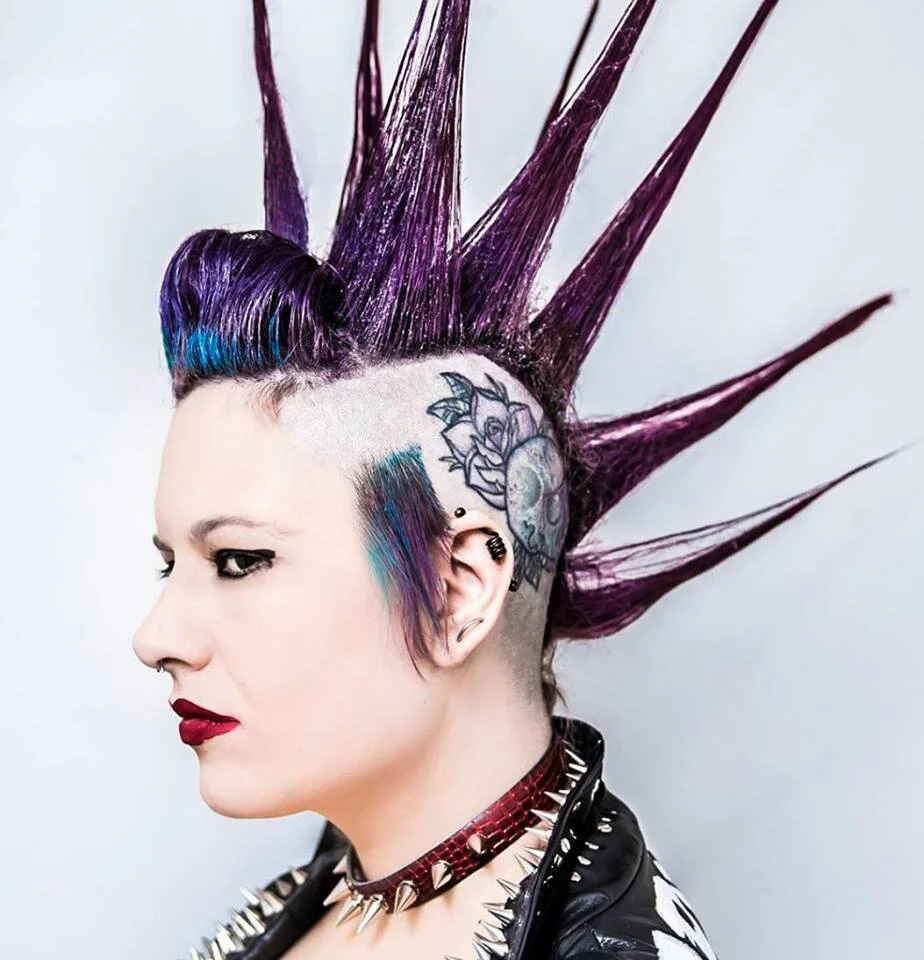
Punk is rebellion at its core. It’s political, anti-authoritarian, and unapologetically loud. Punk culture challenges social norms and embraces DIY ethics.
Core traits:
- Anti-establishment mindset
- Strong opinions about politics, society, and injustice
- Individualism over trends
Common style elements:
- Leather jackets
- Ripped clothing
- Studs, spikes, safety pins
- Combat boots
- Mohawks or shaved styles
Key difference from goth & emo:
Punk is less about sadness or beauty and more about anger, resistance, and freedom.
🌈 Scene
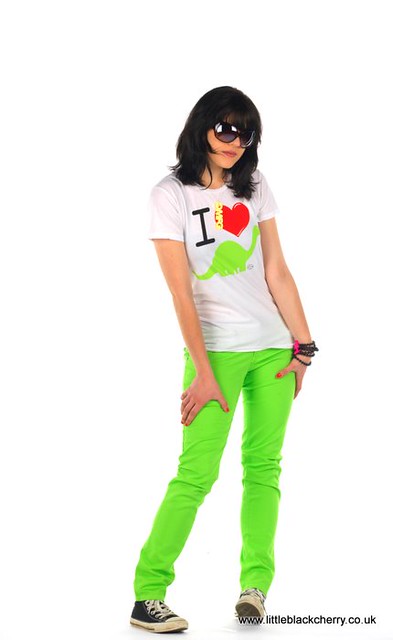
Scene emerged in the mid-2000s and is the most colorful of the four. It blends emo influences with pop culture, electronic music, and internet aesthetics.
Core traits:
- High-energy, playful self-expression
- Strong online and social media presence
- Emphasis on individuality and fun
Common style elements:
- Bright or neon skinny jeans
- Teased, layered hair (often dyed)
- Graphic tees
- Big bows, belts, accessories
- Bold eye makeup
Key difference:
Scene is less dark emotionally — it’s about standing out, not sinking inward.
🖤 Can You Be More Than One?
Absolutely.
Many people blend elements:
- Goth + punk = deathrock
- Emo + scene = colorful emotional expression
- Punk + emo = emotional rebellion
Subcultures are fluid, not boxes. You don’t need to “qualify” to belong.
These styles aren’t costumes — they’re languages of self-expression. Whether someone dresses dark, colorful, aggressive, or emotional, it often reflects how they relate to the world.
And that’s not something to judge — it’s something to understand.
Here’s a soft, diary-style “You Don’t Need a Label” finale you can drop in at the end of the post or use as a standalone closing 🖤
It’s written to feel reassuring, intimate, and grounding.
🖤 You Don’t Need a Label
If you’ve read all of this still wondering what you are, I want you to hear this clearly:
You don’t need a label to be real.
You don’t need to look a certain way every day. You don’t need to know all the bands. You don’t need to explain yourself when your style shifts, when your feelings change, or when what once fit no longer does.
Some days you might feel soft and quiet. Other days loud and angry. Some days dark, some days bright. That doesn’t mean you’re confused — it means you’re human.
Labels can be comforting. They can help us find community, language, and belonging. But they aren’t requirements. You are allowed to borrow what feels right and leave the rest behind.
You are allowed to evolve.
The most honest expression of self isn’t perfectly defined — it’s lived. It’s messy. It’s inconsistent. It’s yours.
So wear what feels like you today. Listen to what speaks to you right now. Let yourself change without guilt.
You don’t owe anyone a category.
You don’t need permission to exist.
You don’t need a label to belong.
You already do.
🖤