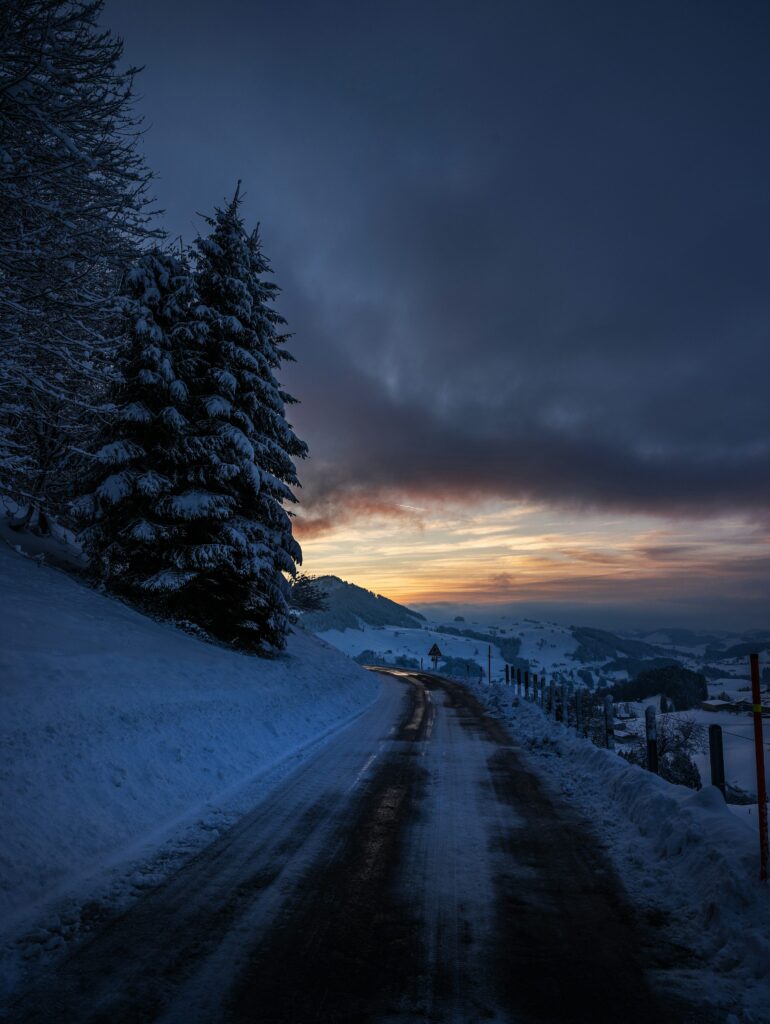

Every year, it sneaks in the same way.
The days get shorter. The light changes. Mornings feel heavier, evenings arrive too fast, and suddenly everything feels a little harder than it did a few months ago. You might not even realize what’s happening at first — you just know you’re more tired, less motivated, and somehow more fragile.
Seasonal depression doesn’t always announce itself loudly.
Sometimes it whispers.
What Seasonal Depression Actually Feels Like
Seasonal depression, often called Seasonal Affective Disorder (SAD), is usually linked to fall and winter — but you don’t need a diagnosis for the seasons to affect you. A lot of us feel it in smaller, quieter ways.
For me (and for so many others), it can look like:
- Waking up already exhausted
- Losing motivation for things I usually love
- Pulling back socially without meaning to
- Craving comfort foods constantly
- Feeling emotionally flat or disconnected
- Carrying a low-level sadness I can’t fully explain
It’s not laziness.
It’s not a lack of gratitude.
It’s a real response to change.
Why the Seasons Mess With Our Mental Health
Our bodies are deeply tied to light, even if modern life tries to convince us otherwise.
When daylight disappears:
- Melatonin increases, making us sleepier
- Serotonin can drop, affecting mood
- Our internal clocks get thrown off
- We move less, see people less, and stay inside more
Even if you love winter aesthetics — the candles, the layers, the quiet — the lack of light still affects you. You can romanticize winter and struggle in it. Both can exist at the same time.
When Winter Lasts Longer, It Hits Deeper
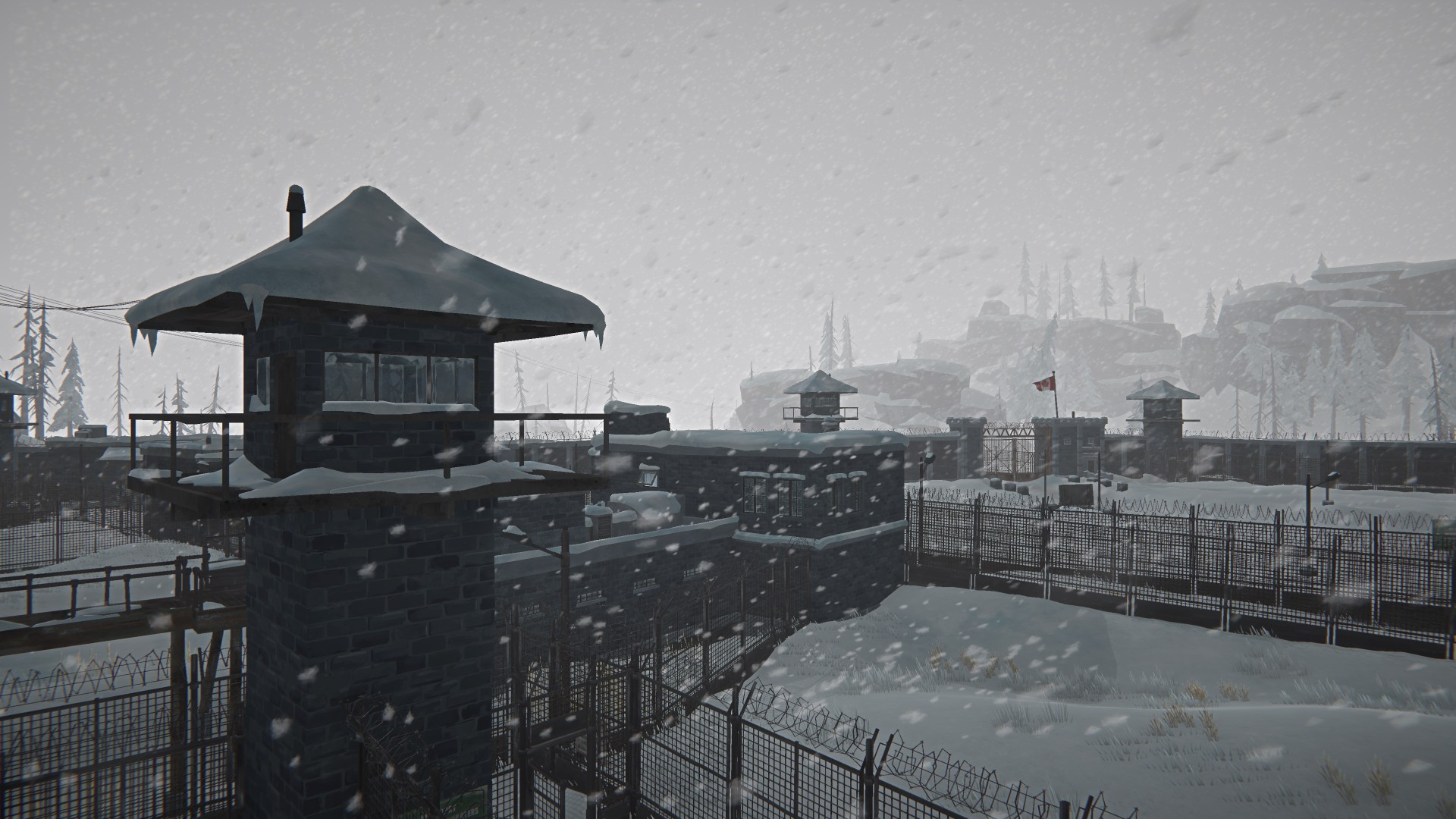
This gets even harder if you live somewhere with long, drawn-out winters.
In places where winter doesn’t just visit but settles in, the darkness can feel relentless. Weeks turn into months of gray skies, early sunsets, and mornings that never really feel like morning. After a while, it’s not just your mood that dips — it’s your sense of time, motivation, and hope.
I think this part gets overlooked a lot.
Long winters don’t just make you sad — they make everything feel paused.
When the cold and darkness stretch on, it’s common to feel:
- Trapped or stuck in survival mode
- More isolated, even if you’re around people
- Disconnected from the future
- Like spring is an abstract concept instead of something real
And yet there’s often this unspoken expectation to “just deal with it.” To be tougher. To normalize feeling low for half the year. But struggling in long winters isn’t a personal flaw — it’s biology and environment colliding.
If you’ve ever noticed your mood improve almost instantly in sunnier places, that’s not coincidence. That’s your nervous system responding to light.
Seasonal Depression Isn’t Rare — It’s Shared
One of the hardest parts of seasonal depression is how lonely it feels, even though it’s incredibly common.
It convinces you that:
- Everyone else is coping better
- You’re being dramatic
- You should be handling this more gracefully
But the truth is, seasonal depression touches students, parents, creatives, professionals — people who appear “fine” on the outside. Many of us carry it quietly, assuming we’re the only ones struggling.
We’re not.
Gentle Ways I Try to Get Through It
There’s no perfect fix, but there are softer ways to move through these months.
Things that help — even a little:
- Letting myself rest without guilt
- Chasing light wherever I can find it
- Lowering expectations during darker months
- Creating small routines instead of strict schedules
- Staying connected, even when isolation feels easier
- Naming what I’m feeling instead of pushing it away
Seasonal depression isn’t something to power through. Sometimes it’s something to sit with, acknowledge, and support gently.
Mental Health Resources (Because Support Matters)
If seasonal depression starts to feel overwhelming, scary, or unsafe, help is available — and reaching for it doesn’t mean you’ve failed.
If you’re in the U.S.:
- 988 Suicide & Crisis Lifeline
Call or text 988 anytime for free, confidential support — whether you’re in crisis or just need someone to listen. - SAMHSA National Helpline
Call 1-800-662-HELP (4357) for mental health and treatment referrals.
If you’re outside the U.S.:
- Visit findahelpline.com to find support in your country.
You deserve help even if you can’t explain exactly why you’re struggling.
Seasonal depression doesn’t mean you’re broken.
It means you’re human, responding to a world that gets darker — literally and emotionally — for part of the year.
And this season will pass.
You don’t have to face it alone. 🤍